Monday, March 16, 2009

Facebook in the 1750s

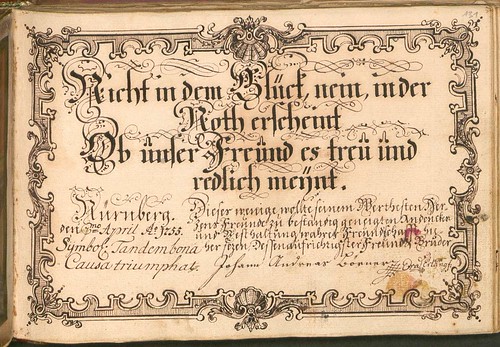
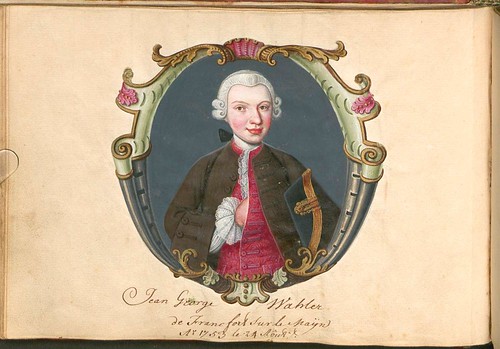
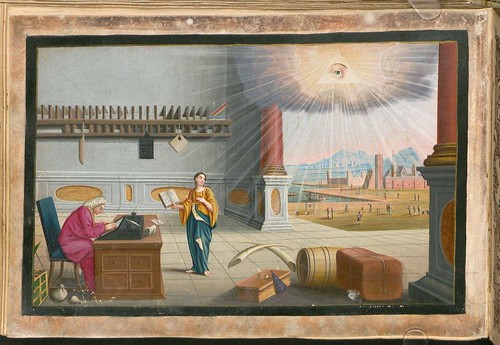
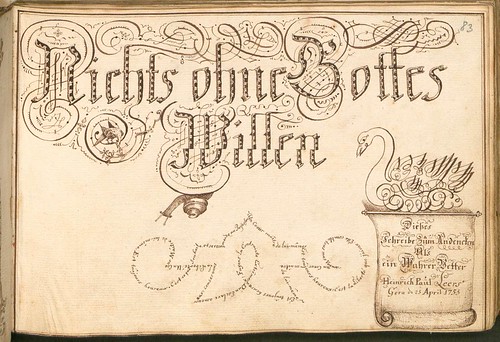
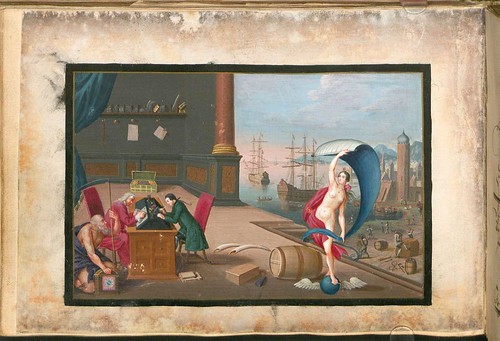
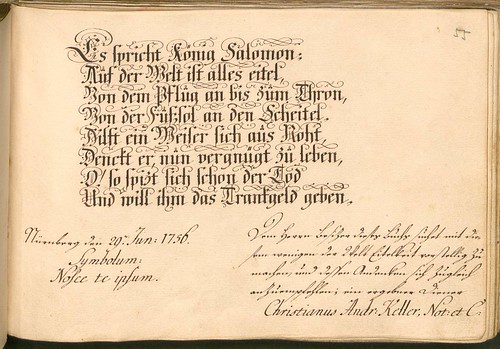
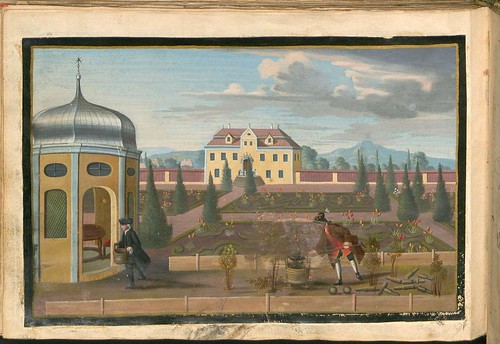
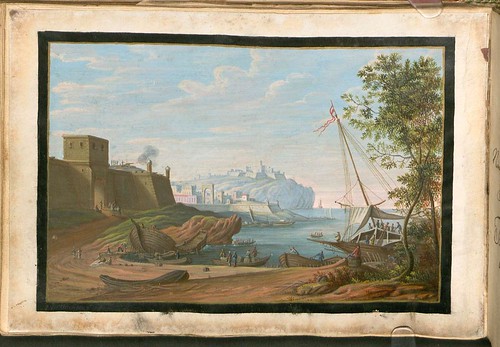
Liber Amicorum - Johann Christian Sigmund Mönch n


Liber Amicorum - Johann Christian Sigmund Mönch  b


Liber Amicorum - Johann Christian Sigmund Mönch o


Liber Amicorum - Johann Christian Sigmund Mönch m


Liber Amicorum - Johann Christian Sigmund Mönch j


Liber Amicorum - Johann Christian Sigmund Mönch k


Liber Amicorum - Johann Christian Sigmund Mönch h


Liber Amicorum - Johann Christian Sigmund Mönch q


Liber Amicorum - Johann Christian Sigmund Mönch g


Liber Amicorum - Johann Christian Sigmund Mönch f


Liber Amicorum - Johann Christian Sigmund Mönch c


Liber Amicorum - Johann Christian Sigmund Mönch p


Liber Amicorum - Johann Christian Sigmund Mönch d


Liber Amicorum - Johann Christian Sigmund Mönch e


Liber Amicorum - Johann Christian Sigmund Mönch  a


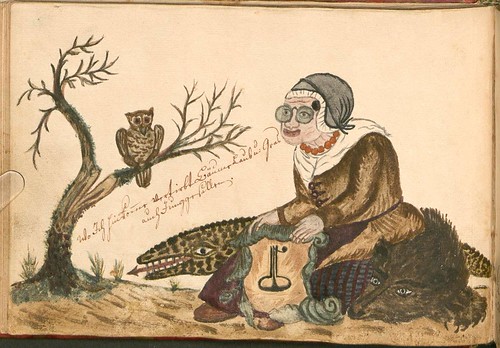
'Stammbuch des Johann Christian Sigmund Mönch aus Jena' - BSB Cgm 9256 is online at Bayerische Staatsbibliothek. [1754 onwards] Click 'Miniaturansicht'. There are about 350 pages: half are blank, many of the remainder have otherwise unremarkable hand-written tributes. All of the above images were spot/background cleaned to at least some extent.
(Stammbuch = Liber Amicorum = Friends' Book)
"Stammbücher appear for the first time in the 16th and 17th centuries in the German- and Dutch-speaking areas of Europe, where it had become fashionable among graduating university students to have one’s personal bible signed by classmates and instructors. Soon inscriptions went beyond simple signatures to include reminiscences of common experiences, good wishes for the future, or a favorite passage from literature or poetry. Publishers foreseeing a lucrative market printed bibles with empty pages and soon also turned out small decorated books with only empty pages.

Eventually these albums were not only passed around at graduation but accompanied a student throughout his life, gathering entries from relatives, friends, and important acquaintances. Others also took up the custom, especially those who traveled as part of their training or social upbringing, such as aristocrats, tradesmen, military officers, poets, or musicians. Stammbücher were usually circulated at a time of parting and served the bearer not only as a sentimental remembrance but as a collection of references by association in his pursuit of a professional or social career. Inscriptions were personal, yet frequently included literary quotes, showing the writer’s—and by extension the bearer’s—social and intellectual standing. The messages emphasized values such as intellectual and political freedom, hard work, honesty, forthrightness, self-reliance, and friendship. Good wishes for happiness, health, good fortune, and prosperity were always included."
Source: *“Dies schrieb Dir zur Erinnerung. . .” From Album Amicorum to Autograph Book* by Antje Petty, Director of the Max Kade Institute For German-American Studies at the University of Wisconsin-Madison.
In the archives: Liber Amicorum; Alba Amicorum; Simon Haendel's Stammbuch; Felix and Friends and somewhat related: The Fisch Wappenbuch.

Saturday, March 14, 2009

The Renaissance Kitchen

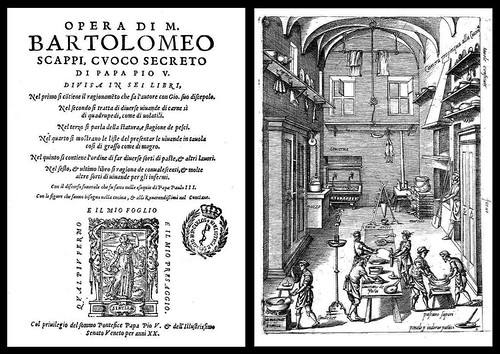
Opera di M. Bartolomeo Scappi (1570) titlepage


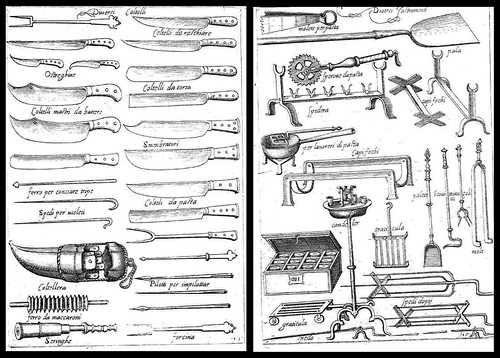
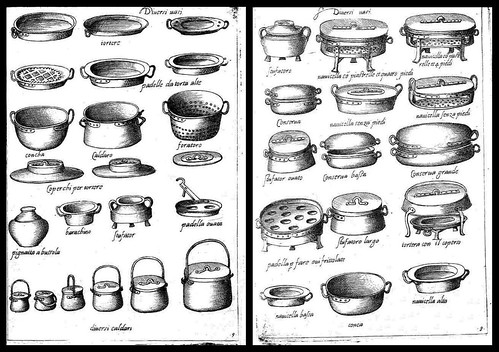
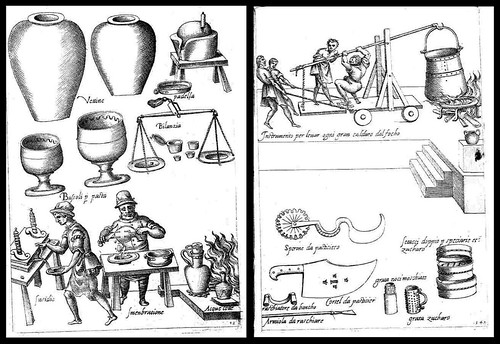
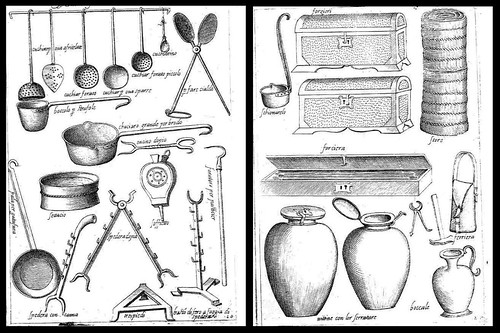
Opera di M. Bartolomeo Scappi (1570) Cucina Principale


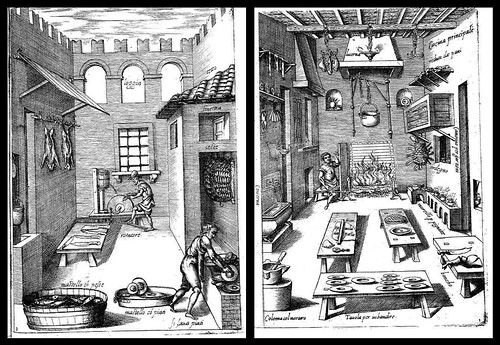
Opera di M. Bartolomeo Scappi (1570)


Opera di M. Bartolomeo Scappi (1570) a


Opera di M. Bartolomeo Scappi (1570) d


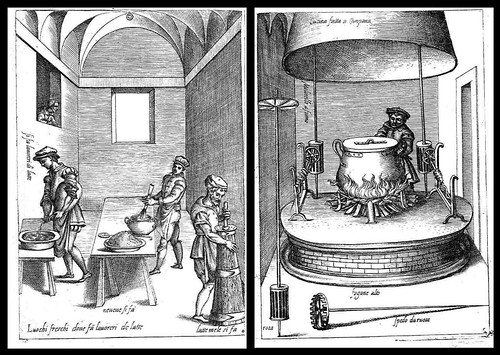
Opera di M. Bartolomeo Scappi (1570) b


Opera di M. Bartolomeo Scappi (1570) c


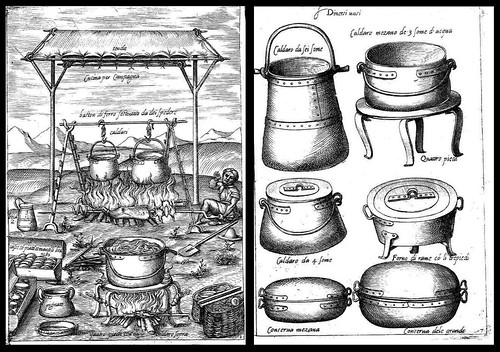
Opera di M. Bartolomeo Scappi (1570) e


Opera di M. Bartolomeo Scappi (1570) f


Opera di M. Bartolomeo Scappi (1570) i


Opera di M. Bartolomeo Scappi (1570) g


Opera di M. Bartolomeo Scappi (1570) h


Opera di M. Bartolomeo Scappi (1570) j


Opera di M. Bartolomeo Scappi (1570)  dinner


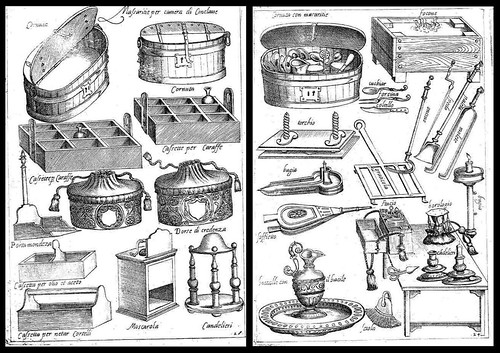
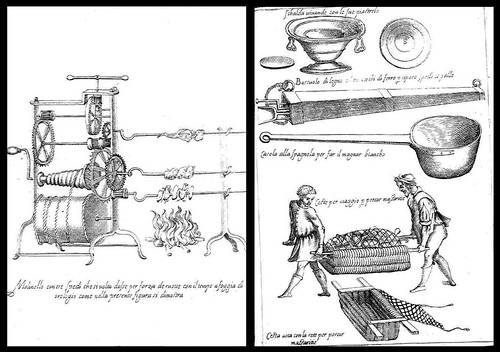
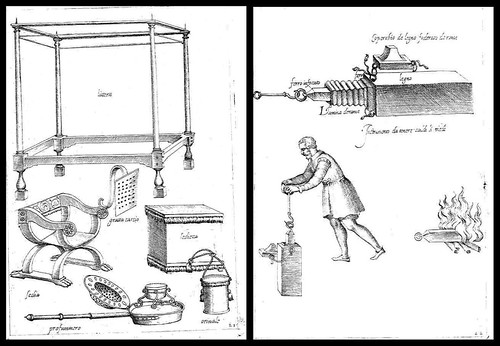
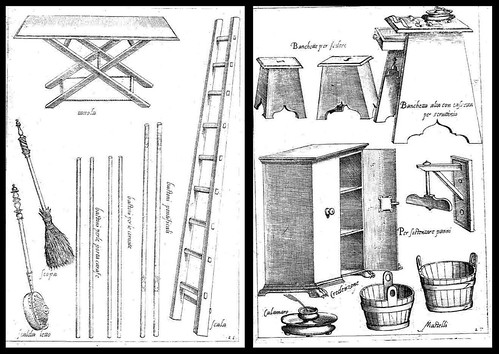
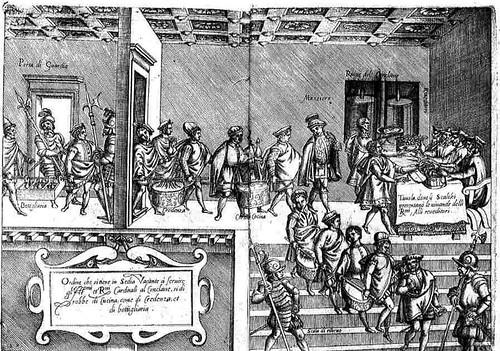
Bartolomeo Scappi (?1500-??1577) was perhaps the most famous chef of the 16th century. The banquets he prepared during appointments with Cardinals in the north of Italy brought Scappi to the attention of the Pope. He would cook for six Popes in total and was employed as private chef to two of them.

Lasting fame accompanied the publication in 1570 of the 6-book series known as 'Opera' [The Work(s)]. It was more a culinary treatise than a mere cookbook. Scappi included more than a thousand recipes, demonstrating his familiarity with dishes from a range of European and North African countries as well as his expertise with regional Italian cooking.
"The recipes of Bartolomeo Scappi blend the heritage of medieval gastronomy (spices and sweet-and-sour sauces) with some novelties unique to Italian Renaissance cooks : the important addition of offal in imitation of roman cookery, the introduction of dairy products (butter, milk), a significant increase in the number of meat or fish dishes employing the use of sugar, and the beginnings of flaky pastry."
The divisions of the work are as follows:

Book One: Begins with an imagined dialogue between a chef and his student about cooking, the duties of a head cook, kitchen implements and how to identify and preserve good quality food.
Book Two: Use of quadruped meat and domestic and wild birds and preparation of sauces.
Book Three: Vegetables, fish and eggs.
Book Four: Seasonal foods and the items required for travelling with a nobleman.
Book Five: Pastries, cakes, and savoury dishes.
Book Six: Food for the sick/convalescents.

Seven editions of 'Opera' were released in about the first fifty years following the original publication and plagiarised sections appeared in numerous other culinary books. Scappi's magnum opus remains one of the great primary sources - in both written and visual terms - for factual details about the kitchens and cooking practices during the Renaissance.


'Disdainful apples'
Pomi sdegnosi
(baked aubergines/eggplant)

Ingredients

6-7 aubergines, peeled and sliced lengthways to 0.5cm/¼in thick
flour, for dusting
herb mixture: 2 tbsp each chopped fresh mint, marjoram, parsley and, if you have them available, fennel fronds - otherwise use a tablespoon of fennel seeds
spice mixture: pinch each freshly ground black pepper, salt, sugar, ground cinnamon and ground cloves
6 garlic cloves, finely chopped
splash olive oil
splash white wine vinegar

Method
1. Preheat the oven to 180C/375F/Gas 5.
2. Blanch the aubergine slices in a saucepan of boiling salted water for about five minutes, but don't let them get too soft.
3. Drain well, then dust with flour.
4. Spread a layer of aubergines over the base of a fairly shallow ovenproof dish. Top with some of the herb mixture, spice mixture, chopped garlic and a splash of oil.
5. Continue layering up the ingredients (you should make 2-3 layers), ending with a splash of white wine vinegar.
6. Transfer the dish to the oven and bake for 30-35 minutes. Serve immediately.

Friday, March 13, 2009

Early Machine Technology

"Because art is able to defeat man in those
things in which man is defeated by nature"
[H Zeising]


Heinrich Zeising - Theatri machinarum Erster - 1613


Heinrich Zeising - Theatri machinarum Erster - 1613 a


Heinrich Zeising - Theatri machinarum Erster - 1613 b


Heinrich Zeising - Theatri machinarum Erster - 1613 c


Heinrich Zeising - Theatri machinarum Erster - 1613 d


Heinrich Zeising - Theatri machinarum Erster - 1613 e


Heinrich Zeising - Theatri machinarum Erster - 1613 f


Heinrich Zeising - Theatri machinarum Erster - 1613 g


Heinrich Zeising - Theatri machinarum Erster - 1613 h


Heinrich Zeising - Theatri machinarum Erster - 1613 i


Heinrich Zeising - Theatri machinarum Erster - 1613 j


Heinrich Zeising - Theatri machinarum Erster - 1613 k


Heinrich Zeising - Theatri machinarum Erster - 1613 l


Heinrich Zeising - Theatri machinarum Erster - 1613 m


Heinrich Zeising - Theatri machinarum Erster - 1613 n


Heinrich Zeising - Theatri machinarum Erster - 1613 o


Heinrich Zeising - Theatri machinarum Erster - 1613 p


Heinrich Zeising - Theatri machinarum Erster - 1613 q


Heinrich Zeising - Theatri machinarum Erster - 1613 r


Heinrich Zeising - Theatri machinarum Erster - 1613 s


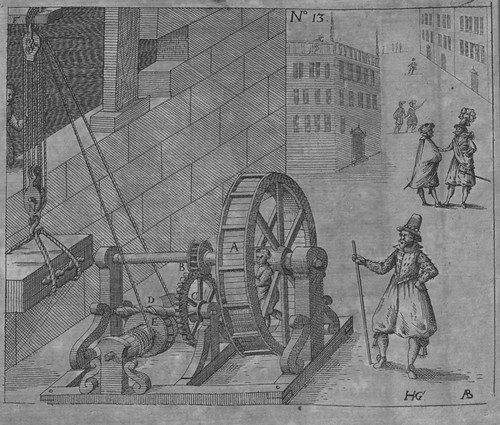
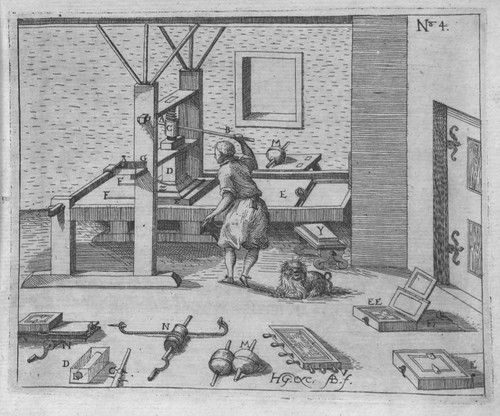
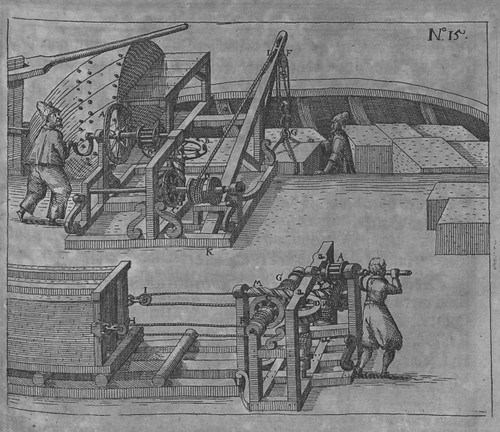
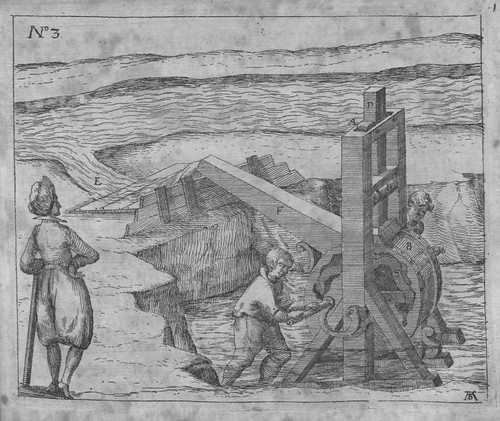
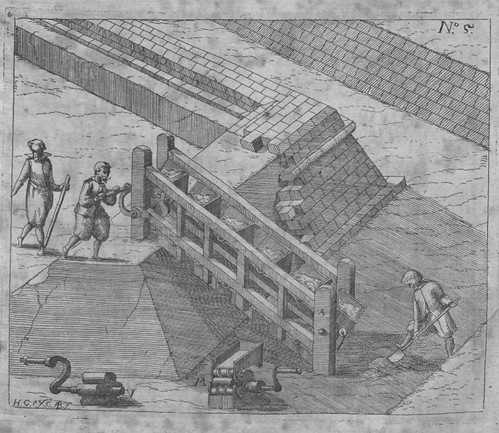
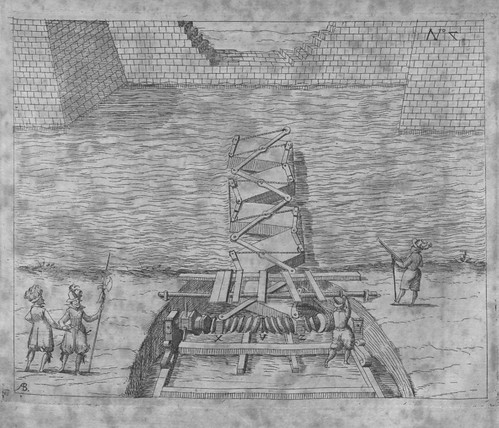
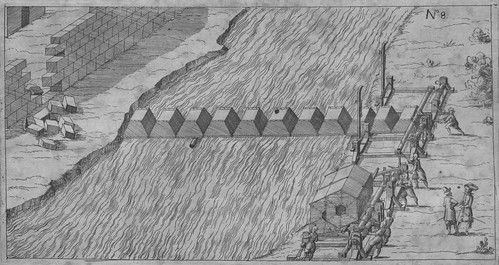
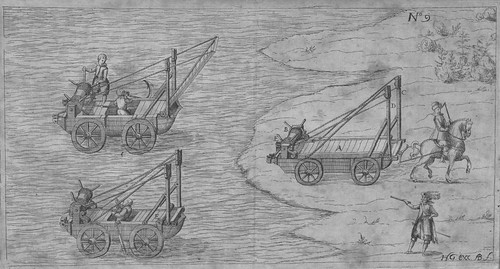
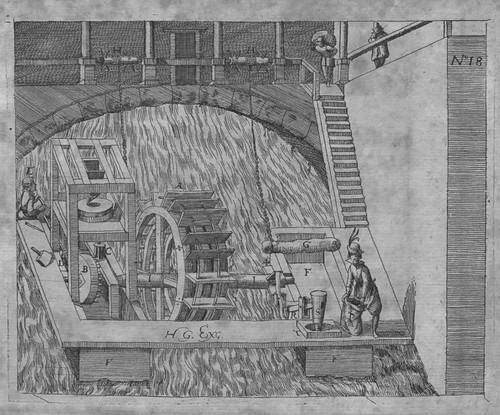
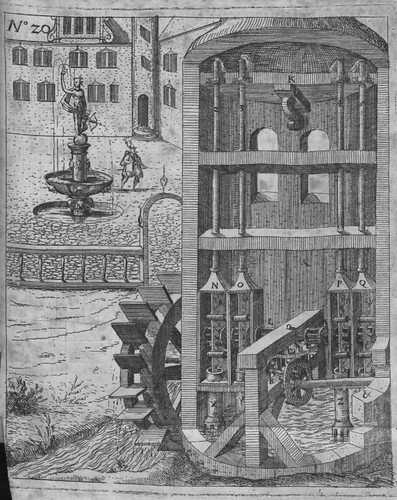
'Theatri Machinarum..' (?1612-1614) by Heinrich Zeising is available from the Kinematic Models for Design Digital Library at Cornell University. The site has had a redesign since I last visited and now includes an "open collection of mechanical models and related resources for studying and teaching the principles of kinematics" wikipage.

Little is known about Zeising. His 'Theatri Machinarum' belongs to the tradition of technical machine manuals (known as the 'Theatre of Machines') published in the 16th to 18th centuries. At least part of this book was copied/modified from earlier works by Besson, Zonca and Ramelli which in turn were influenced by classic publications by Agricola and Vitruvius.

The engravings in Zeising's work (by Andreas Bretschneider and the publisher Henning Grosse, with some after designs by Zeising himself) do not have the same artistic quality as those in the earlier machine manuals. However, this reduced the printing costs, and, as Zeising included more in the way of explanatory text, he played a significant role in circulating and promoting the technological designs of the Renaissance - at times a little fanciful but always inspirational - in Germany. His manual includes engineering designs for book presses, water wheels, fountains, complex rope and pulley systems for many weight lifting systems, mobile bridges and rampart scaling devices, among others.
  • The machine posts in the archives display many examples from the major architecture - engineer - fortifications specialists that contributed to the 'Theatre of Machines' genre, together with many background reading links.
  • There are precious few references to Zeising online. See: one, two, three and, most significantly, George Goodall's posts mentioning Zeisging.
  • George's 'Diffusion of the Theatrum Machinarum' machine gallery at Facetation.
  • UPDATE: (July '09): HAB have uploaded what appear to be two sections of 'Theatri Machinarum' (probably 2 from the 6 George mentions in the comments below). The Cornell version is better image quality, although I have not had a close look at these new books: ONE, TWO

Sunday, March 8, 2009

Artillery Firepower

Kunst und Artillerie-Buch e


Kunst und Artillerie-Buch b


Kunst und Artillerie-Buch c


Kunst und Artillerie-Buch d


Kunst und Artillerie-Buch a


Kunst und Artillerie-Buch


Kunst und Artillerie-Buch f


Kunst und Artillerie-Buch g


Kunst und Artillerie-Buch h


Kunst und Artillerie-Buch i


Kunst und Artillerie-Buch k


Kunst und Artillerie-Buch J


Kunst und Artillerie-Buch l


Kunst und Artillerie-Buch m


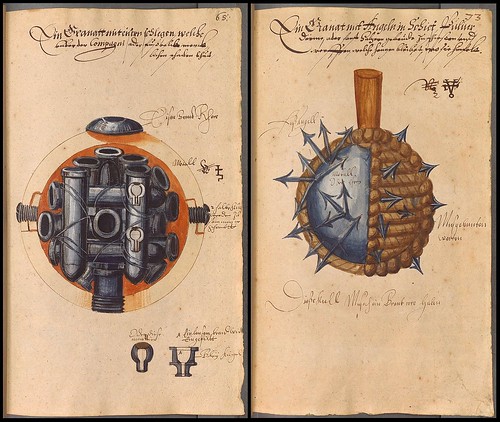
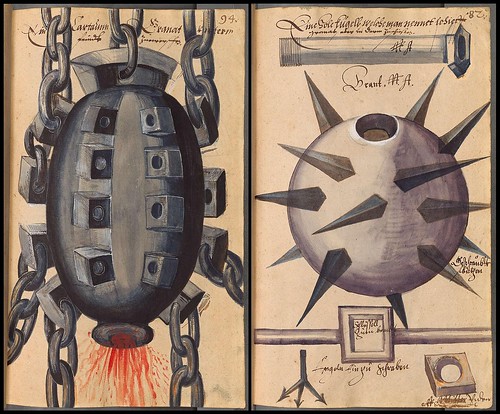
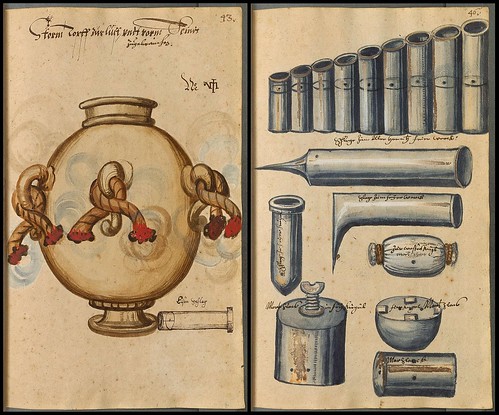
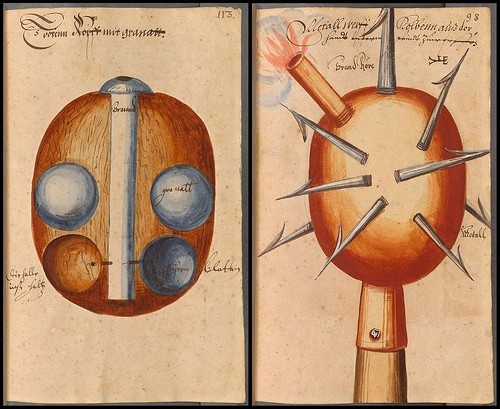
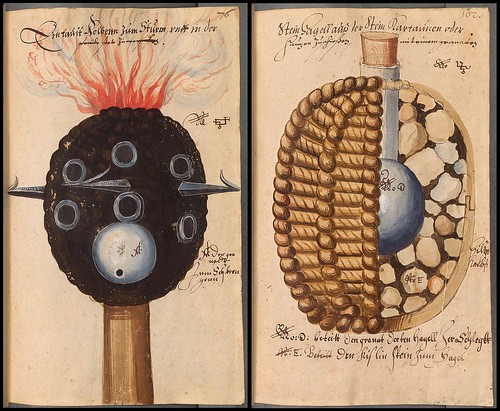
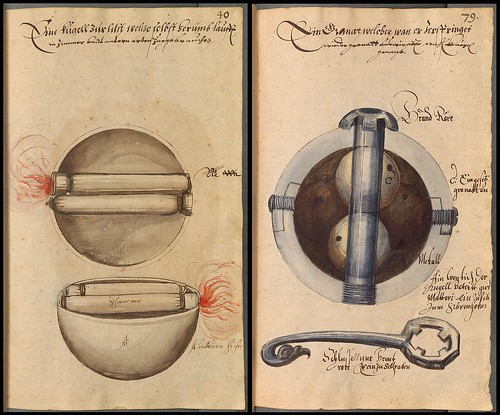
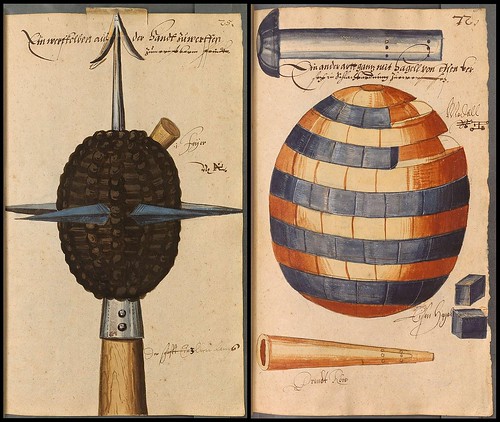
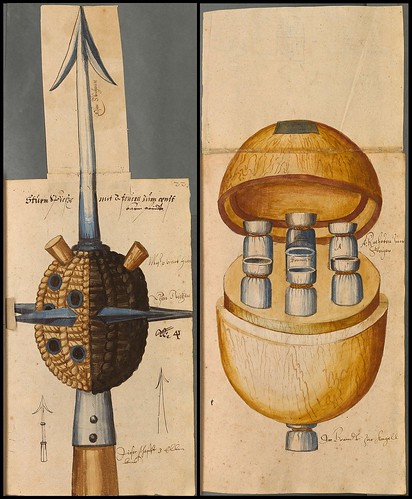
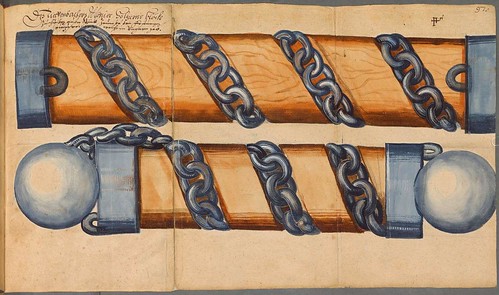
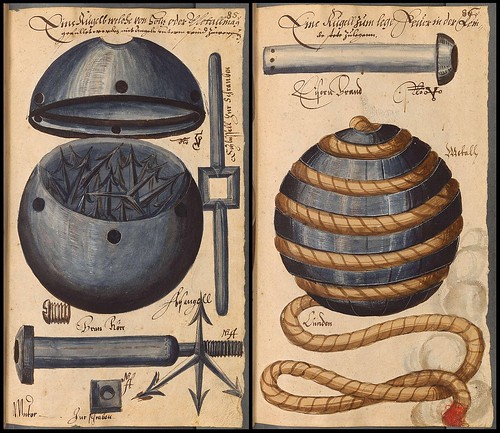
Cod.icon. 232 -- 'Kunst- und Artillerie-Buch' -- is available from the Bavarian State Library in Munich (click 'Miniaturansicht' for thumbnail views). I suppose half or more of the illustrated pages appear above [slightly spot-cleaned].

This folio manuscript was produced prior to 1622 and is attributed to Hans Georg Schirvatt. It may possibly have been made in Prague (it bears their Coat of Arms). The very small amount of background information suggests that it was an expensive work because gold highlighting was employed in some of the illustrations (or so they say: I can't see it).

The manuscript features some decidedly evil weaponry - shrapnel-filled grenades, grenade spears, bee-swarm baskets, barbed bombs and vessels for flinging explosive materials - that were no doubt used in the Thirty Years War that had begun in 1618. [catalogue page -- trans.]

Previously: Combat.
Generally: shared feeds / blog links / BibliOdyssey posts tagged + summarised / saved bookmarks / twitter, & for those who tune in via rss, email or telegraph, BibliOdyssey lives here. Just so you know. I, too, had forgotten where it was .. for a while.